
King Kong

Ernest B. Schoedsack, Merian C. Cooper, 1933. Ridiculously ambitious and grand in scale, the “big” movie is finally here.
Like Vampyr, there is something vaguely unsettling about the entire thing. Many characters die, but they die in ways that are simple, like being thrown off a log that’s high above a murky body of water. This is not some modern action flick where characters are seemingly invincible, so you’re inevitably drawn much deeper into the action. And they’re not afraid to kill randos, either.
Like Propeller guy or Toilet guy, innocent bystander deaths always evoke a visceral reaction. It reminds us we are eternally vulnerable in a world that can be randomly cruel in all sorts of horrible ways. In Kong, the cruelty is best represented by a woman sleeping in her apartment. Because she’s not the hot blonde Kong is naturally selecting for but rather a less remarkable woman, she is dropped to her death by the brutal, callous Kong. Any sympathy we may have had for the formerly imprisoned beast instantly disappears. The ape must die!
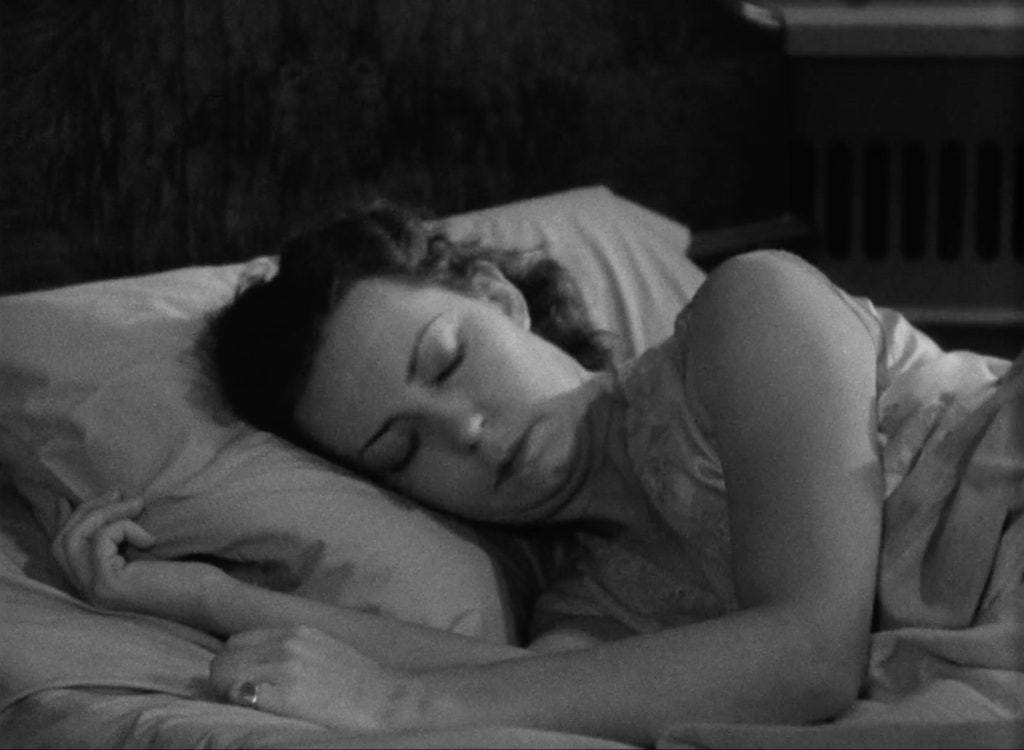
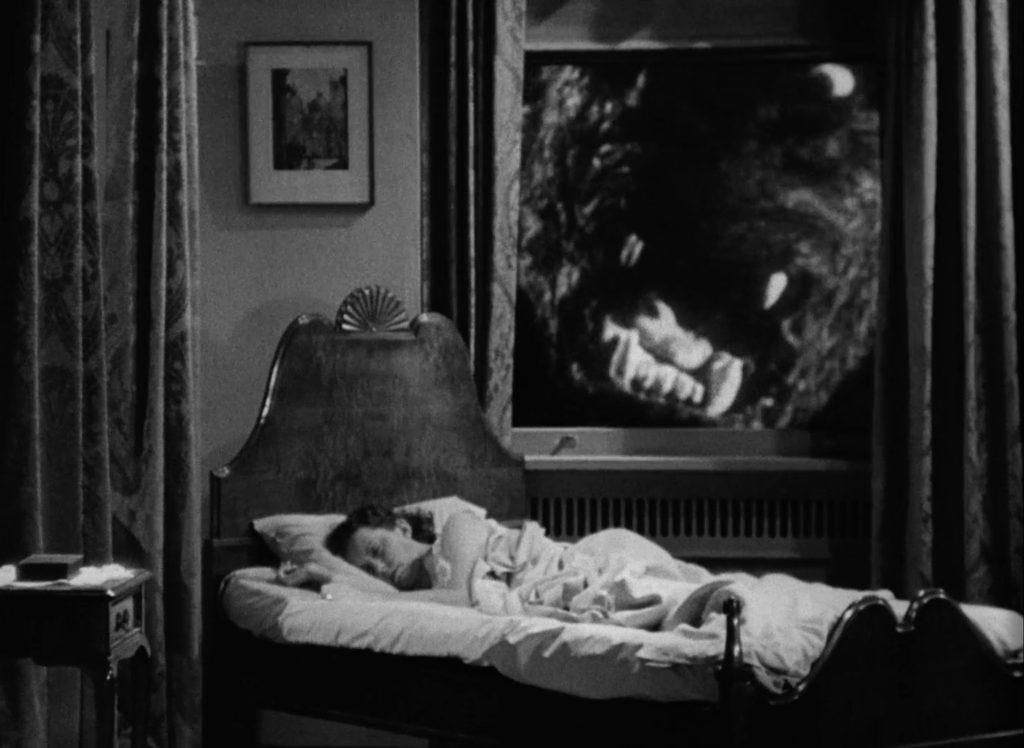
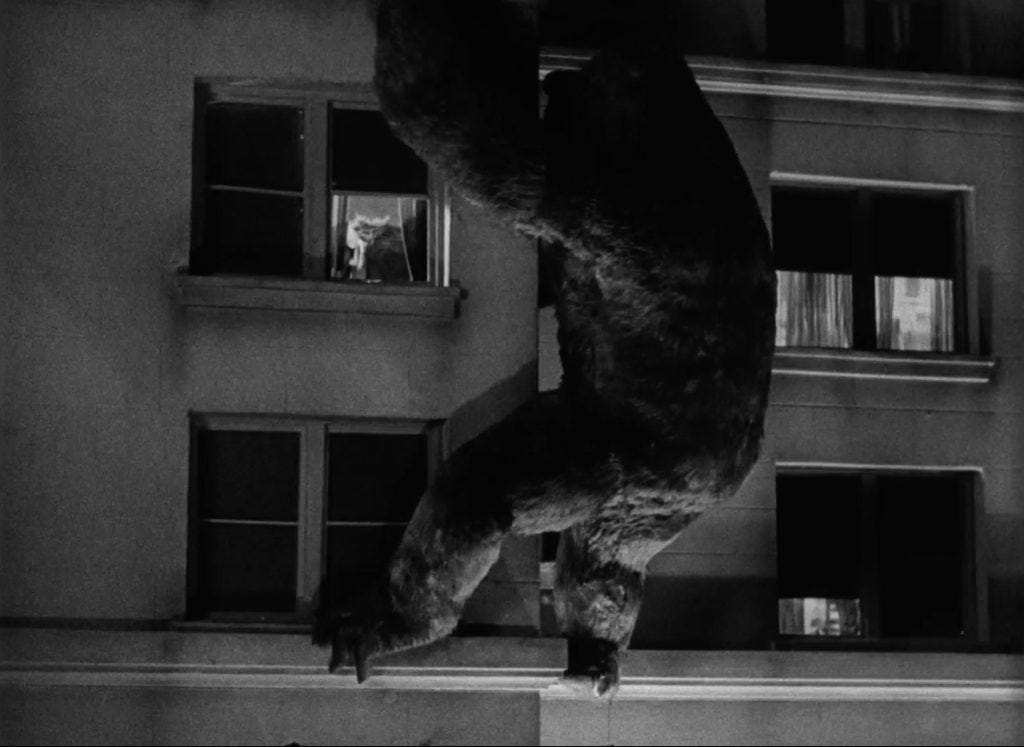
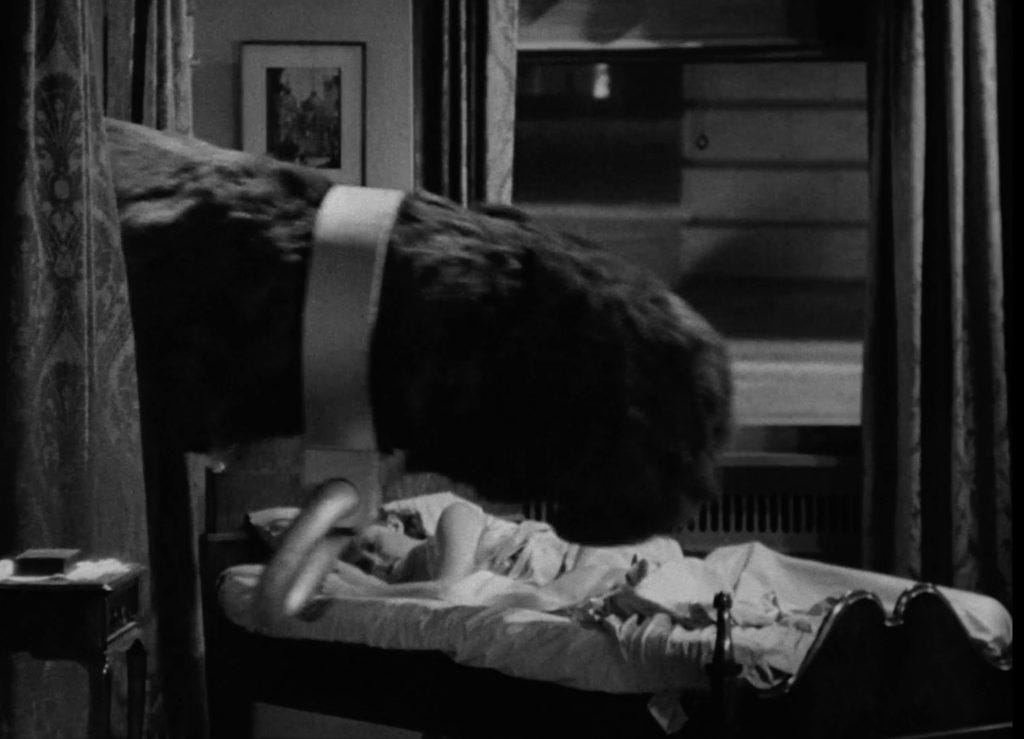
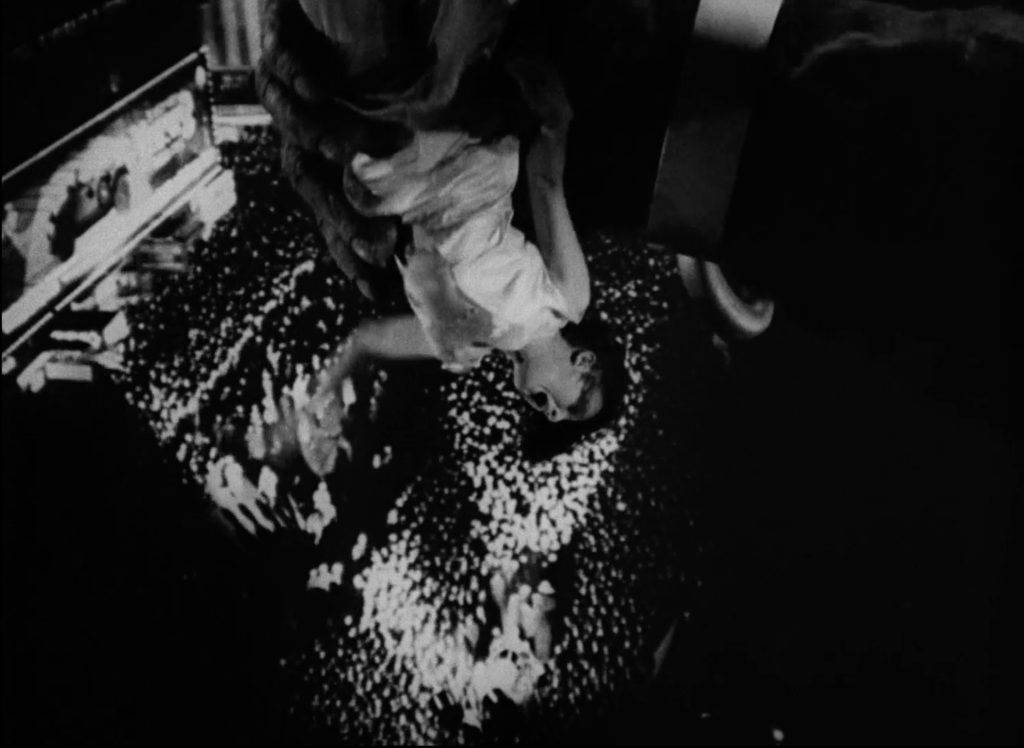
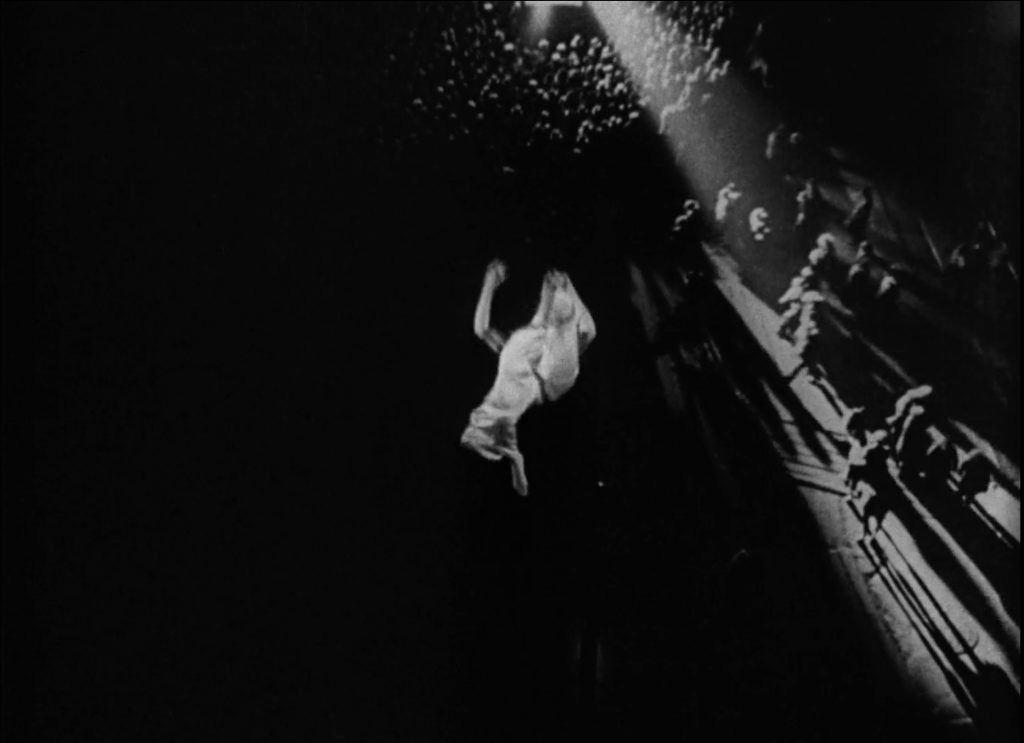
This scene, along with a few other death scenes, were removed from the film during the Hays code era, effectively neutering the horror element. I can’t imagine the film without them. It certainly wouldn’t be as scary and might even fail to transcend the dated effects, leaving us with a slightly goofy looking ape who miraculously avoids killing innocents. In such a world, we might even start to feel sorry for the ape. Hey, are we the baddies?
This seems to be the folly of piecemeal censorship – that we’ll still “get the idea” without the more explicit parts. If you’re looking to censor something, just censor the whole thing by banning it. Not only is it way cooler for the thing being censored, we won’t unintentionally reinforce actually dangerous ideas like nature is a purely benevolent force and violence can’t actually hurt you.
The post King Kong appeared first on RYAN RICKENBACH.